Protecting the Whole Plant, the Whole Industry, and the American Future
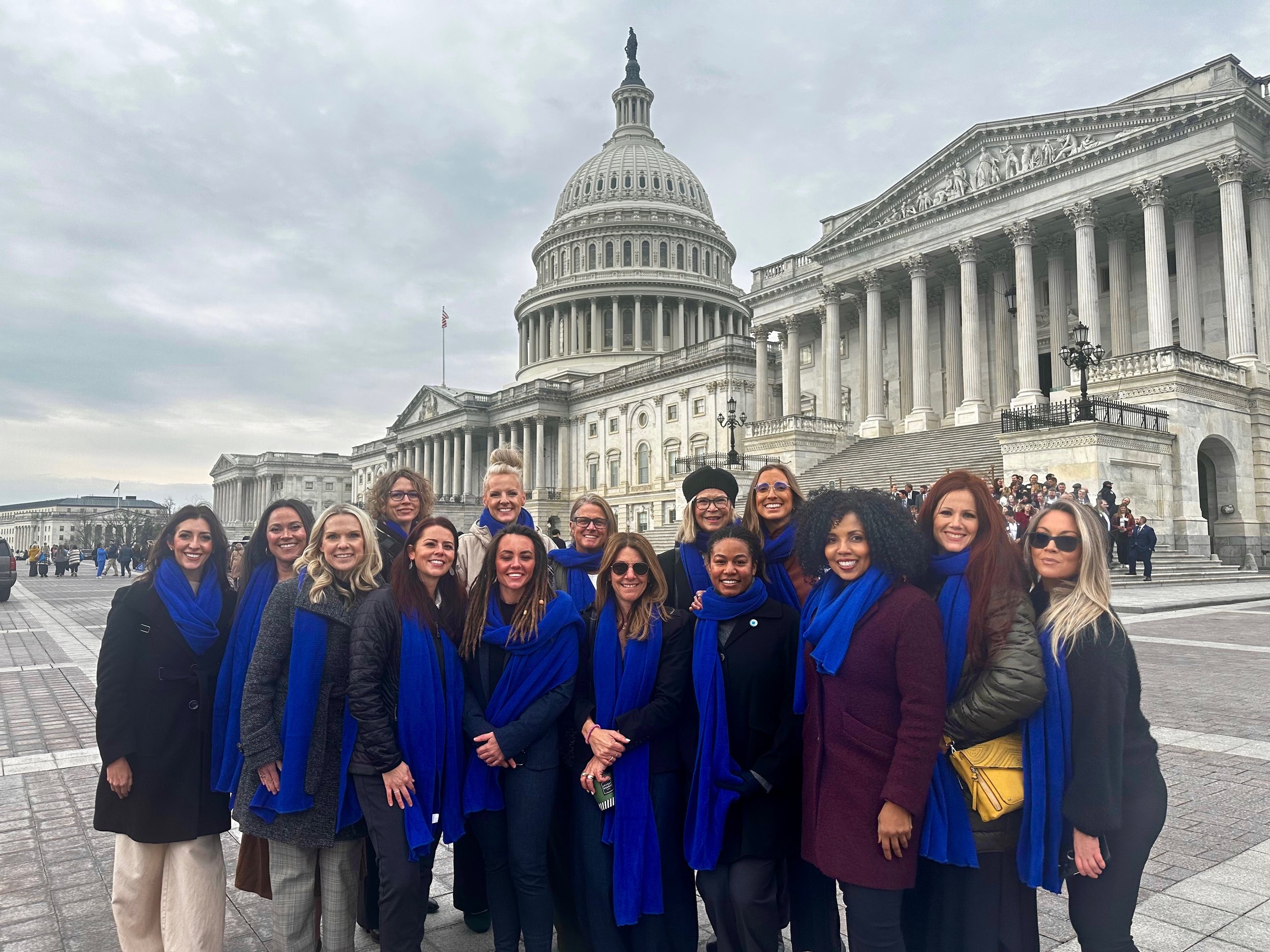
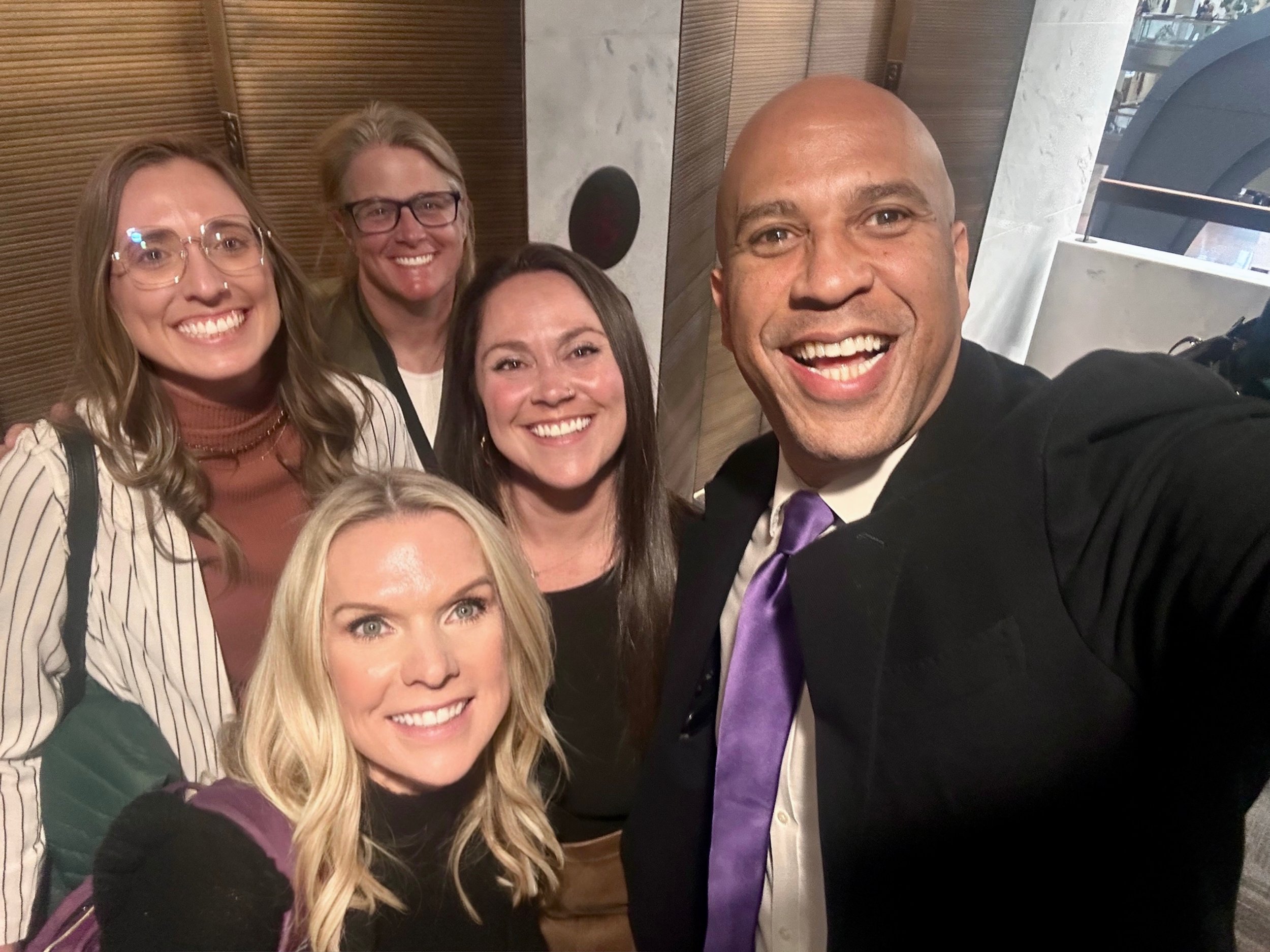
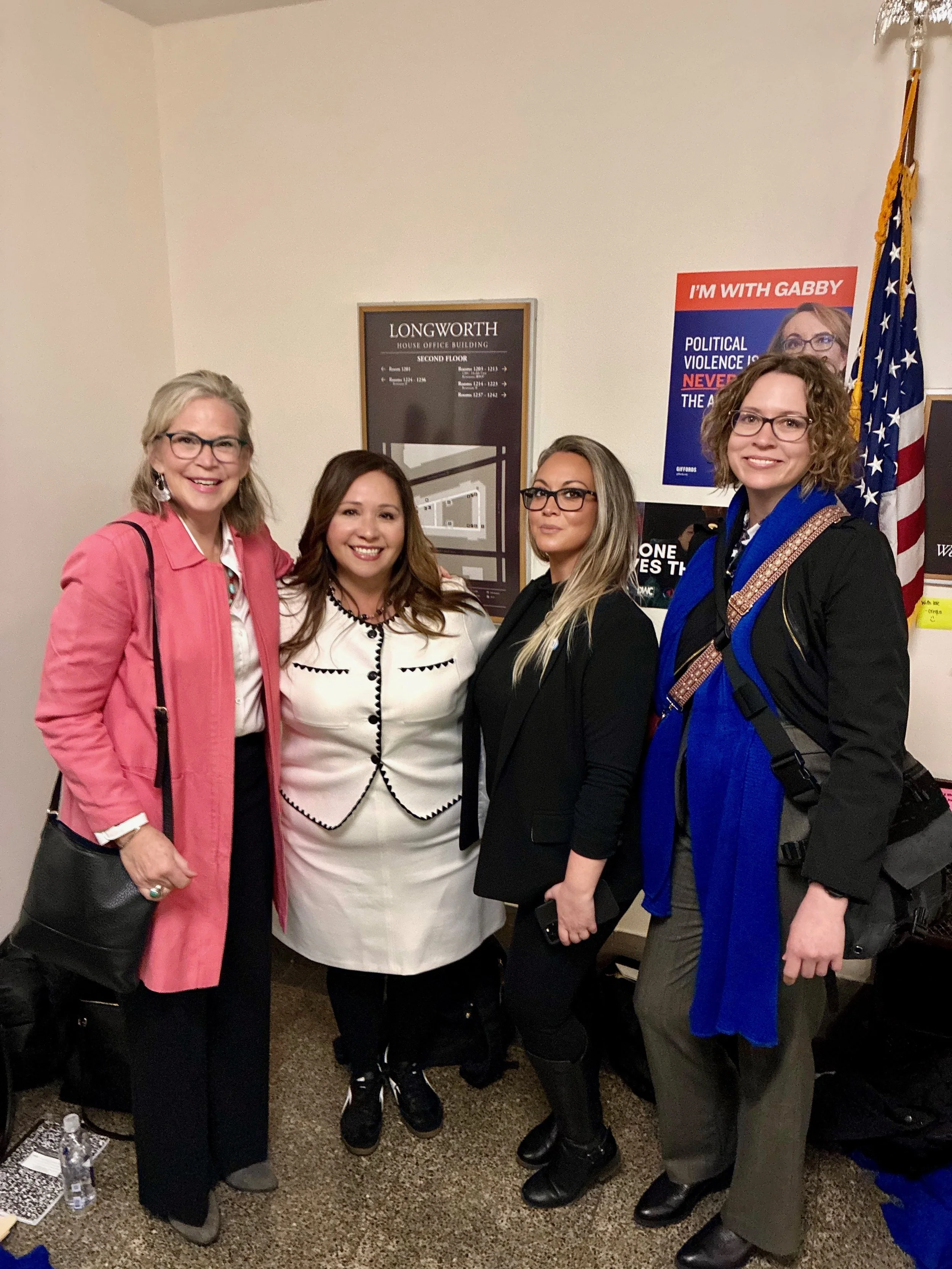
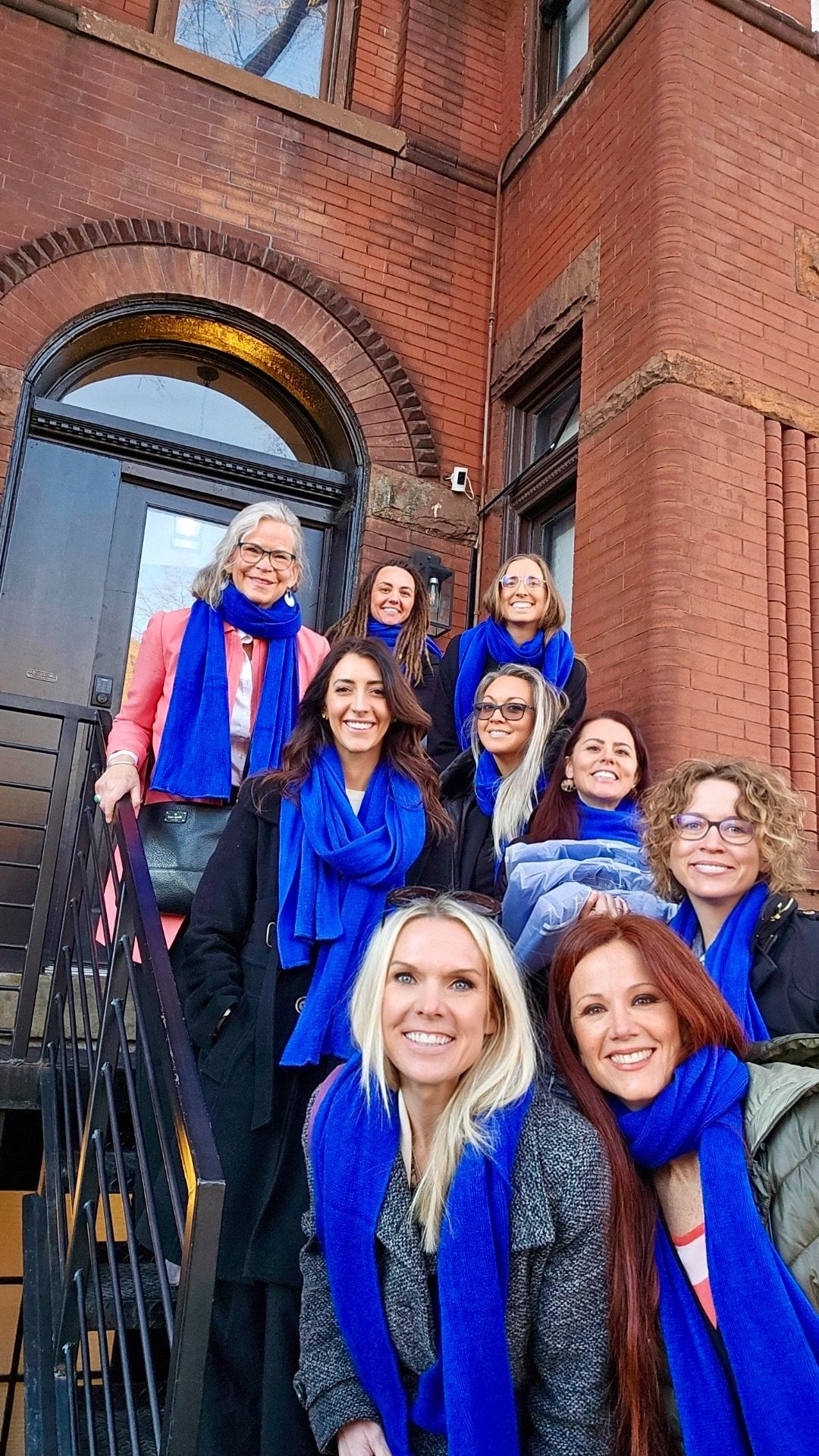
Pictured left to right: Venessa Snyder, Natalie Boos, Leigh Gall, Naomi Pier, Melissa Johnston, Kim Gamez, Ashley Lambsom, Chris Lafferty, Ali Jubelirer, Abby Bowers, Mary Bernuth, Paige Ross, Faye Coleman, Laura Romero, and Laura Franklin — representing Women in Hemp on behalf of the Hemp Beverage Alliance.
Protecting the Whole Plant, the Whole Industry, and the American Future
HITA’s Voice in Washington, D.C. on the Farm Bill
By Laura Franklin, on behalf of the Hemp Industry Trade Association of Arizona (HITA)
Last week, HITA traveled to Washington, D.C. to participate in direct conversations with members of Congress regarding proposed changes to the Farm Bill and the future of hemp in America. These conversations are not abstract or theoretical—they directly affect farmers, processors, manufacturers, retailers, consumers, and the long-term viability of hemp as an American-grown commodity.
At HITA, our position has always been clear: we protect the rights of the hemp industry as a whole, while also supporting responsible regulation that protects consumers and provides clarity for businesses and farmers alike.
Regulation Is the Path Forward—Not Recriminalization
We understand and acknowledge the growing divide and confusion within the hemp industry. We also agree that bifurcation—clear regulatory separation—can help everyone, particularly when it aligns regulation with end use:
Industrial hemp applications: fiber, grain, building materials, textiles, plastics, animal feed, protein, and oils
Regulated consumer products: beverages, ingestibles, topicals, and wellness products
What we do not support is the recriminalization of the hemp plant through regulatory ambiguity. Regulation—when done clearly, responsibly, and with bipartisan intent—is the most effective way to protect farmers, consumers, businesses, and hemp as a commodity.
Arizona is uniquely positioned to lead with common-sense, bipartisan, responsible hemp policy. While we recognize that even state-level leadership, including the Attorney General’s office, has expressed confusion around federal hemp law, we understand why: the law lacks clarity. That clarity must come from regulation that matches use, risk, and intent, ensuring protections across the supply chain.
Conversations Across the Aisle
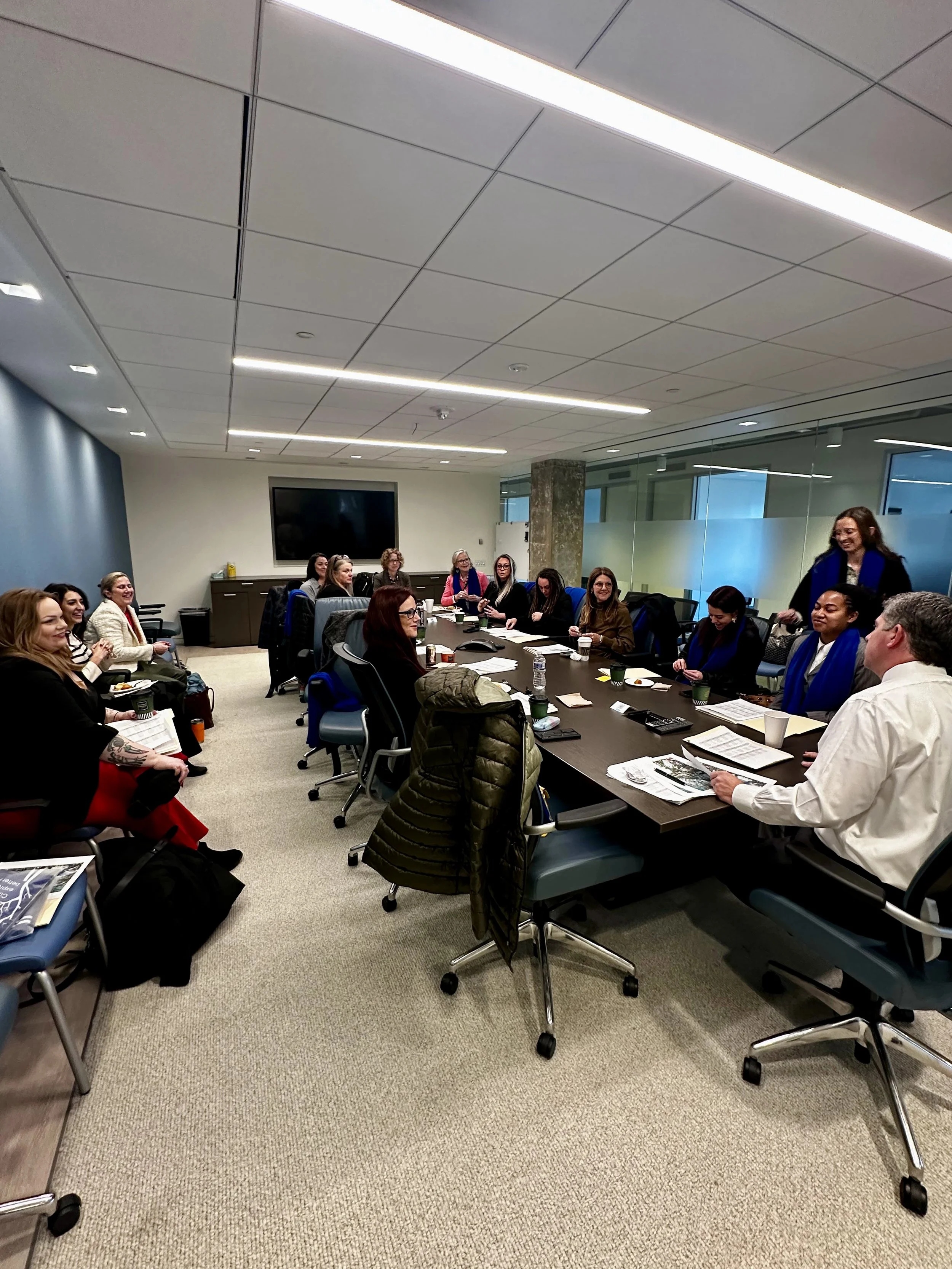
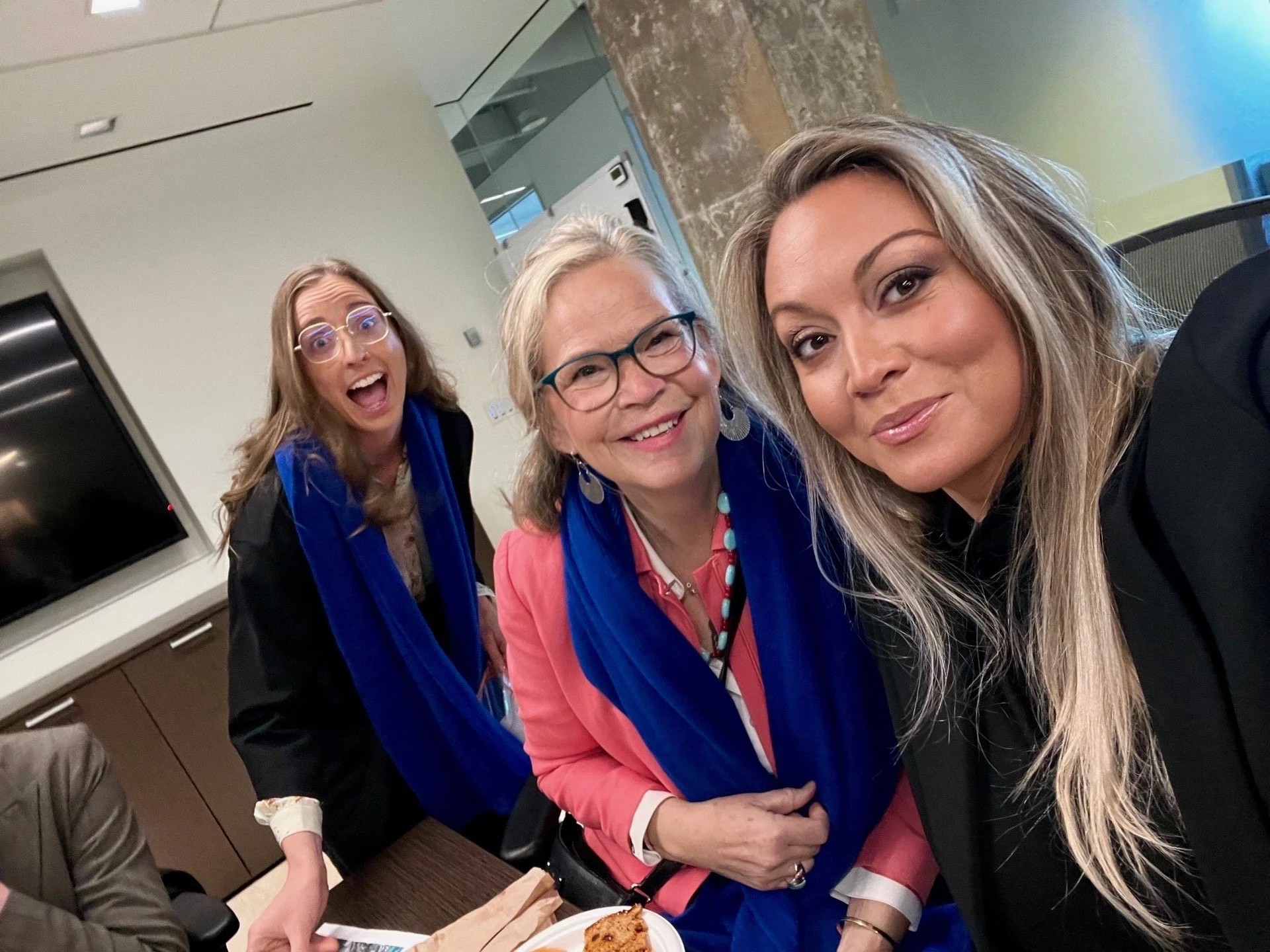
During our time in Washington, D.C., we met with leaders from both sides of the aisle, reinforcing a simple truth: hemp is not a partisan issue—it is an American one.
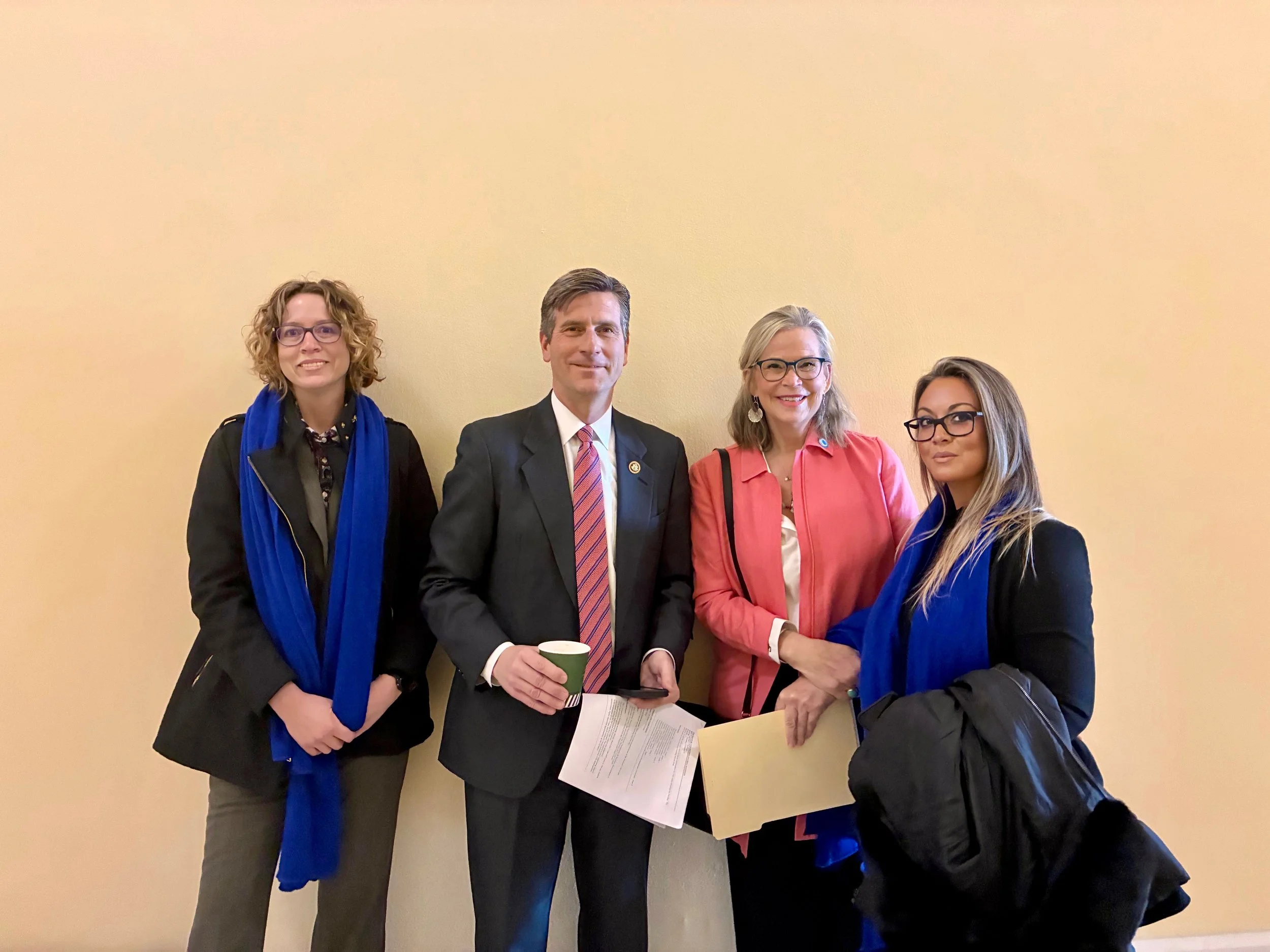
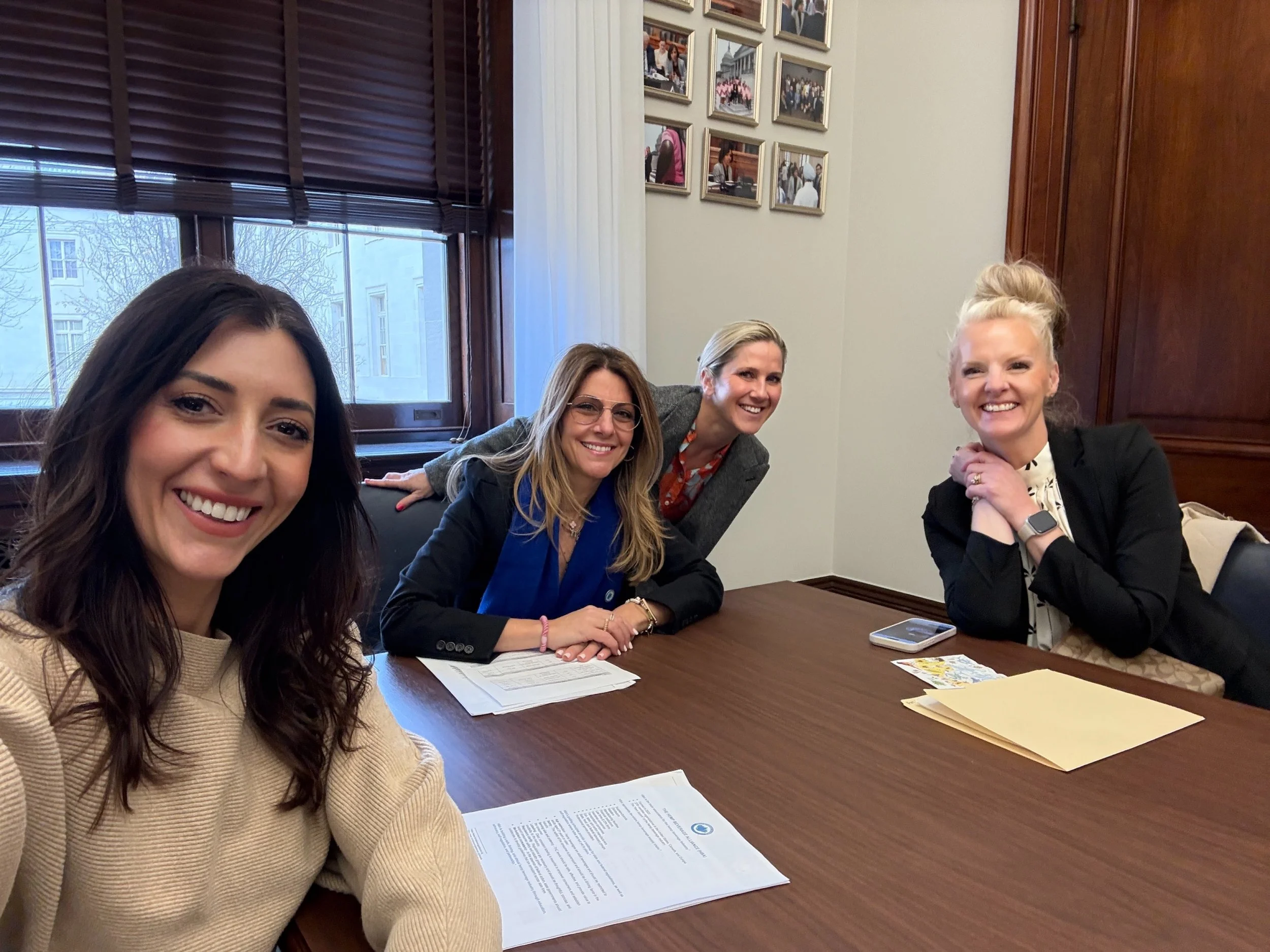
Throughout the week, our delegation participated in direct meetings with both Members of Congress and their senior legislative staff. During my two days of meetings, I personally met with representatives and offices including U.S. Senator Mark Kelly (AZ), U.S. Representative Greg Stanton (AZ), U.S. Representative Andy Biggs (AZ), U.S. Representative Paul Gosar (AZ), U.S. Representative Adelita Grijalva (AZ), Arizona attorney and former Attorney General candidate Abe Hamadeh, U.S. Representative Eli Crane (AZ), U.S. Senator Ruben Gallego (AZ), U.S. Senator Steve Daines (MT), U.S. Senator Tim Sheehy (MT), U.S. Senator Ted Cruz (TX), and U.S. Senator John Cornyn (TX).
The broader Women in Hemp delegation also met with additional offices and regions across the United States, including U.S. Senator Cory Booker (NJ), ensuring that a wide range of geographic, agricultural, and business perspectives were represented throughout the week.
While many of these meetings were framed around hemp beverages, the reality is far broader: hemp is an American agricultural, economic, and infrastructure issue.
Understanding Hemp Starts With the Basics
One of the most impactful moments in these conversations was seeing how much clarity can be created simply by explaining the fundamentals of the plant.
Hemp is not one thing—it is many varietals with many uses, including:
Floral hemp varietals
High in CBD and other cannabinoids, used for wellness, apothecary applications, medicinal research, and even microgreens.Grain hemp varietals
Used for food, protein, oils, animal feed, and nutritional applications.Fiber hemp varietals
Used for hempcrete housing, textiles, rope, bioplastics, insulation, and other industrial materials.
Once policymakers understand these distinctions, the light bulb turns on. Regulation makes sense when it matches the plant’s purpose.
Infrastructure Is the Missing Link
If America manages hemp correctly, we can stand shoulder-to-shoulder with other nations in a global commodity market—but only if we build the infrastructure to support it.
Right now, we face a familiar challenge: what comes first—the farm or the processor?
Farmers need confidence that there is a place to sell their biomass. Processors need consistent supply. End users need regulatory certainty. Harvesting, processing, and logistics remain major hurdles nationwide.
States like Montana demonstrate what’s possible when farming, processing, and industry align. We need that model replicated across the United States.
In Arizona, we are advancing:
Hemp genetics and research
University partnerships, including work with the University of Arizona
Sustainable end-use innovation in plastics, textiles, and building materials
Projects such as an elementary school build-out in Chandler utilizing plant-based building materials, along with the Marigold Village project in Globe, Arizona—led by Tess Young—demonstrate what hemp can achieve when innovation aligns with thoughtful policy.
Arizona’s climate also gives us a competitive edge—we can grow up to three hemp cycles per year, something few states can match. What we currently lack are large-scale processing facilities.
That’s why we are working with Tom Prier of West Island Cotton Growers, INC and his California-based processing operation, with the goal of bringing more infrastructure to Arizona while actively pursuing in-state partnerships.
Building What Federal Funding Left Behind
For years, the hemp industry relied on federal grants to support research and development. Much of that funding was pulled back in early 2026. The reality is clear: we now have to build this system ourselves—from the ground up.
HITA’s H.E.M.P. Initiative is designed to do exactly that—connecting brands, companies, farmers, and universities to fund continued research, innovation, and infrastructure development.
Hemp beverages helped get the nation talking. Using that momentum to fund innovation, infrastructure, and American-grown hemp is a natural and necessary next step.
Why This Matters—Beyond Beverages
Hemp isn’t just an industry—it’s a solution:
Remediates soil contaminated with heavy metals and pollutants
Helps retain water and stabilize water tables in arid climates
Keeps soil temperatures cooler by up to 20–25 degrees
Prevents desertification and acts as a cover crop
Sequesters carbon and improves air quality
Replaces extractive mining with renewable, plant-based alternatives grown in 160–180 days
Arizona alone has millions of acres capable of supporting industrial hemp production.
Women Leading the Way
We also want to recognize the women who joined this effort in Washington, D.C. during the week of February 23rd—leaders from across the country representing the Hemp Beverage Alliance and the Women in Hemp community, led by Leigh Gall and Paige Ross. The Hemp Beverage Alliance appropriately focused its advocacy on the beverage segment, which continues to lead consumer interest and market growth. At the same time, HITA elevated the conversation to emphasize the broader economic impact of hemp as a farmer-backed agricultural industry, including cultivation, processing, jobs, infrastructure, and small business development. While policymakers sometimes narrow the discussion to select end-use products, the hemp economy supports a much larger market—industry estimates place the total economic demand for hemp-derived cannabinoids alone at over $28 billion nationally and broader impacts far beyond beverages—and these wider considerations are critical to creating policies that support the whole supply chain.
Join the Conversation in Arizona
Education and collaboration remain at the heart of HITA’s work. We will continue hosting educational and networking events across Arizona.
📍 March 26
📍 Presented by SanTan Brewery
📍 SanTan Gardens – Chandler, AZ
GET TICKETS
Come learn more about hemp, meet industry leaders, and find out how you can get involved.
The Future Is Ours to Grow
Hemp has always required grit. For more than 100 years, progress hasn’t come easy—but nothing worthwhile ever does.
We have an opportunity right now to grow a future that is sustainable, American-made, and resilient. The future depends on the action we take today.
And if it starts with a hemp beverage in hand and a conversation that sparks curiosity—
that’s a happy hour we can all raise a glass to. 🍻